
Loading...
Serving Franklin, MA and surrounding areas. (508) 803-6598
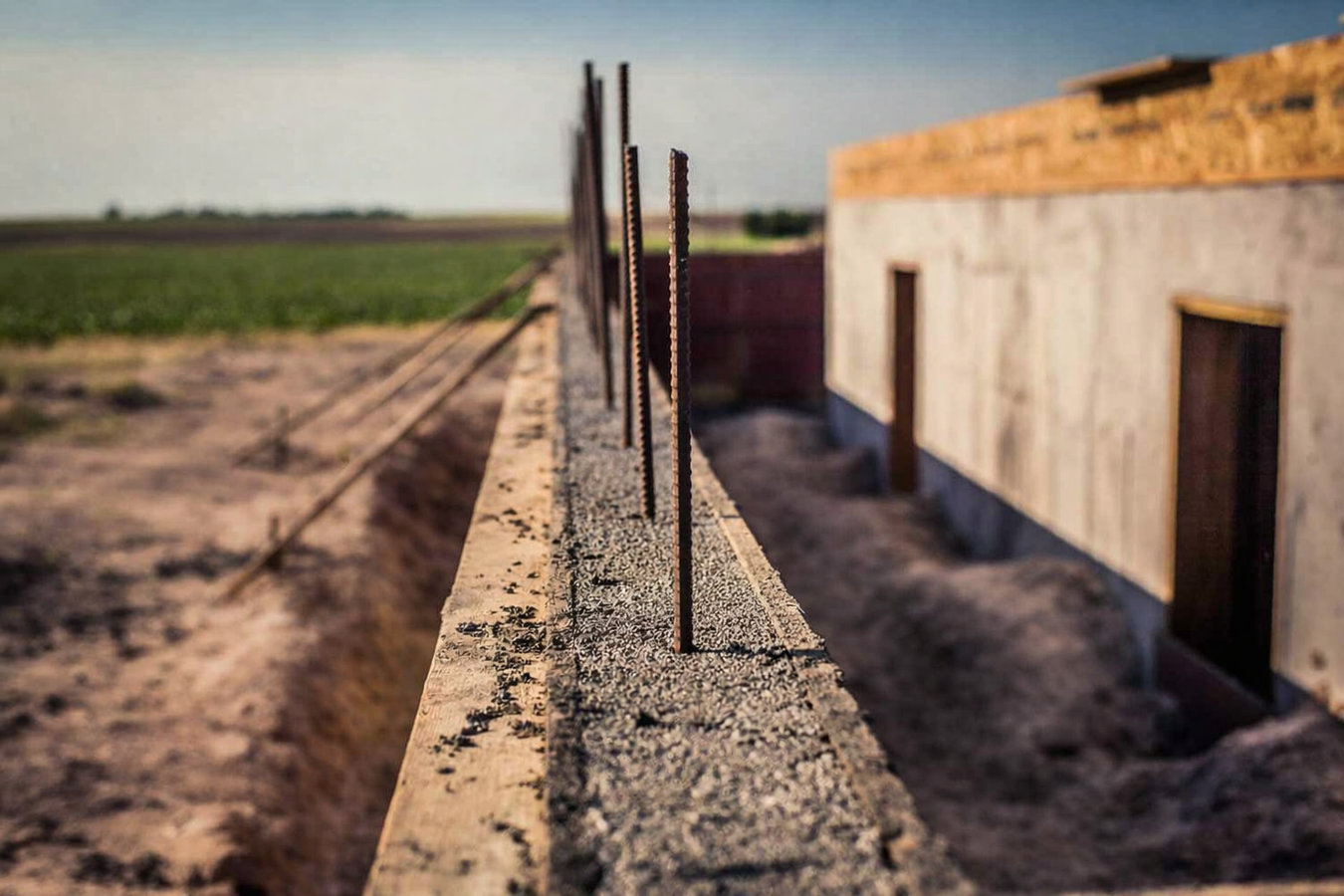
A foundation that has started to sink will not fix itself. Every New England winter puts more stress on soil that has already shifted. We lift it back, stabilize it, and document the repair - so you know exactly what was done.
Foundation raising in Franklin, MA is the process of lifting a home's foundation back to its original level after it has settled or sunk unevenly, using hydraulic equipment or injected material to push it back up from below, with most jobs completed in one to three days.
If you live in a Franklin home built before 1990, you are in the age range where foundation movement is common. The glacial till soils under much of this area do not settle evenly, and decades of freeze-thaw cycles gradually shift soil that was never perfectly compacted to begin with. You might notice it as a door that suddenly sticks, a floor that feels slightly off, or a crack in drywall that was not there last year. Those are the early signals, and catching them early means a smaller repair bill.
Foundation raising is closely related to other structural work we do. If your home also needs a full foundation system addressed, our slab foundation building service covers those situations. Every foundation raising project in Franklin requires a building permit, and we handle that process on your behalf.
When a foundation shifts, door frames and window frames above it shift too - even slightly. If doors that used to latch easily now drag on the floor or pop open on their own, something has moved underneath your home. In Franklin, this symptom often becomes obvious in late spring, after a winter of freeze-thaw movement has done its work.
Small hairline cracks in drywall are common in any older home. But diagonal cracks running from the corners of door frames or windows toward the ceiling are a different signal - they typically mean the structure above is being pulled in two directions because the foundation beneath it is no longer level. If you are seeing these in a Franklin home built before 1980, take them seriously.
Walk slowly across your main floor and pay attention to whether it feels level. A floor that slopes toward one corner, or that has a soft spot in the middle, can indicate the foundation below has dropped in that area. This is especially common in Franklin homes near wetland buffers, where soil moisture levels change significantly with the seasons.
Stand in a corner of your basement or first floor and look at where the wall meets the floor. If you can see a gap that was not there before, the foundation has moved. The same applies to gaps between exterior trim and siding, or between a porch and the main house. These separations happen when different parts of the structure settle at different rates.
We use two primary approaches for foundation raising, and which one fits your situation depends on what we find during the assessment. For larger structures and deeper soil problems, steel piers are driven down to stable bearing soil below the settlement zone and then used to hydraulically lift the foundation back into position. For smaller slabs - garage floors, stoops, sidewalk panels - polyurethane foam injection works well: material is injected beneath the slab to fill voids and gently push the surface back up. If your project also involves related concrete cutting to prepare the area, we coordinate both phases under a single scope.
Every foundation raising job we do includes a written estimate before any work starts, permit handling through the Franklin Building Department, and before-and-after measurements showing exactly how much the foundation was lifted. For homeowners whose project also requires new structural concrete - such as a replacement slab foundation - we manage that follow-on work as well. The International Association of Certified Home Inspectors publishes useful guidance on recognizing foundation settlement for homeowners who want to understand what they are dealing with before calling a contractor.
Best for full basement foundations and heavier structures where deep soil problems require reaching stable bearing strata well below the surface.
Well suited for smaller slabs - garage floors, stoops, sidewalk panels, and interior slab areas - where voids beneath the surface have caused uneven settling.
For Franklin homes in low-lying neighborhoods where drainage is contributing to soil erosion and settlement, we evaluate water movement as part of the repair plan.
We handle the full permit process through the Franklin Building Department for every structural foundation job, including coordinating the required inspection.
Franklin sits in Norfolk County, where winters bring temperatures that dip well below freezing and then climb back above it multiple times between November and March. Every freeze-thaw cycle expands and contracts the ground, pushing and pulling on your foundation year after year. The soil under much of Franklin is glacial till - a mix of clay, sand, gravel, and boulders left by retreating glaciers. That soil does not settle evenly, which means two homes on the same street can have very different foundation conditions. Parts of town near the Charles River headwaters and low-lying neighborhoods around local wetlands also see significant water movement in spring, when snowmelt and heavy rain arrive at the same time - saturated soil loses its ability to support the weight above it, quietly undermining a foundation over years.
We work throughout the region - including in Medway and Norfolk - where the soil and climate conditions are similar to Franklin. Our crews are familiar with what the local building inspectors look for and how to move a permit through the Franklin Building Department without delays.
When you call, we spend a few minutes asking about what you have noticed - sticking doors, visible cracks, sloping floors, or water in the basement. We respond within 1 business day and schedule a free in-person visit to look at your foundation before giving you any numbers.
During the visit, we walk through your basement or crawl space, look at the exterior of your foundation, and take measurements to determine how much and where it has settled. We also look at your yard's drainage. You get a written estimate explaining the recommended method, lift points needed, total cost, and the permit plan - before you commit to anything.
We handle the building permit with the Franklin Building Department on your behalf. Permit approval typically takes one to two weeks. Once it comes through, we schedule the crew. Before they arrive, we let you know exactly what to clear from the basement and what to expect on the day.
The crew arrives with lifting equipment and works systematically, measuring as they go. Most jobs wrap up in one to three days. After the work, the Franklin Building Department inspects it. We walk you through before-and-after measurements, explain the warranty, and leave you with written documentation of the repair.
We respond within 1 business day. No pressure, no obligation - just an honest look at what your foundation needs.
(508) 803-6598Structural foundation work in Franklin requires a building permit, and skipping it can void your homeowner's insurance and create deal-killing complications when you sell. We handle the application, coordinate with the Franklin Building Department, and make sure the inspection is passed before we call a job done. That record stays with your property.
A lot of homeowners worry about paying for work they cannot see or verify. We show you before-and-after measurements, walk you through every step of what was done, and leave you with written documentation - so you have something concrete to show a home inspector, a buyer, or your insurance company.
In Franklin's low-lying neighborhoods, lifting a foundation without looking at drainage is only half the solution. If saturated soil is causing the settlement, it will happen again. We evaluate how water moves around your home before we recommend a repair method - so you are not paying for something the next spring thaw undoes. The Massachusetts state building code resource at mass.gov confirms drainage is a required consideration in foundation repair permitting.
Franklin sits on glacial till that varies block by block - dense and stable in some spots, loose and poorly draining in others. A contractor who knows this region assesses your specific soil before recommending a method. We have worked on foundations across Franklin's neighborhoods, from the older streets near the Town Common to newer subdivisions off the 495 corridor.
Foundation raising is one of the more nerve-wracking projects a homeowner can face - the problem is invisible, the stakes are high, and the process is unfamiliar. We have done this work in Franklin long enough to know what local soil and winters do to a foundation, and we back every repair with written documentation and a clear warranty explanation before we leave the job site.
Precise cuts through driveways, basement floors, and foundation walls to open up areas for drainage, egress, or utility work.
Learn MoreNew slab foundations poured correctly from the ground up - for additions, garages, and structures that need a fresh start.
Learn MoreEvery Franklin winter puts more stress on a foundation that has already started to move. Get your free assessment scheduled now - before the ground freezes again.